

Keeping your home protected starts with the basics, and gutters play a crucial role in avoiding water wear. In Arkansas, where weather can shift quickly, it's important to stay alert for signals that your gutters need attention. Whether you're a long-time resident or new to the area, understanding when to replace your gutters can save you from costly repairs down the line. AGM Gutters is a trusted provider for Gutter Installation in Arkansas, offering reliable solutions to keep your home safe and dry.
1. Water Damage Around Your Home
One of the most visible signs that your gutters need replacing is wet damage around your home. If you observe water gathering near your foundation, flaking paint, or wet areas on your walls, it could mean your gutters aren’t channeling water away properly. In Arkansas, intense rainfall can quickly overwhelm old or damaged gutters, resulting in significant problems. Checking for these indicators can help you take action before the harm becomes worse.
Inspect your home after each important rainstorm. Search for moisture stains on the wall covering, mold formation, or moist soil near the foundation of your house. If you notice these, it’s time to evaluate gutter repair. A professional like AGM Gutters can analyze the condition and advise the optimal solution to prevent additional harm.
2. Sagging or Detached Gutters
If your gutters are sagging, pulling away from the house, or making strange noises, it’s a clear sign they need attention. Gutters can become misaligned due to heavy debris, ice buildup, or weakened brackets. In Arkansas, where seasonal changes can be unpredictable, this issue can worsen promptly. Sagging gutters not only look bad but also fail to function correctly, leading to water harm and higher repair costs.
Check the gutters from the ground or a safe ladder. If they’re bent, loose, or hanging by a thread, it’s time to upgrade them. A qualified installer can reinforce or upgrade the installation to ensure it works effectively. Don’t wait until the gutters completely fail—early intervention can save you time and money.
3. Oxidation
Corrosion and corrosion are common problems in older gutters, especially if they’re made of materials that aren’t appropriate for the Arkansas environment. If you observe oxidation areas, flaking coating, or holes in your gutters, it’s a sign they’re degrading. With time, rust can weary the structure, making it more likely to shatter or seep. This is a serious challenge that can cause moisture damage and high maintenance.
Inspect your gutters regularly, especially post the moist season. Scan for any symptoms of degradation, such as discoloration or chipping. If you find corrosion, it’s recommended to exchange the impacted sections or the full system. A specialist can support you pick the suitable components for your dwelling and area situations, making sure long-lasting operation.
4. Blocked or Overflowing Gutters
If your gutters are frequently full or overflowing during rain, it’s a sign they’re not functioning as they should. Debris like foliage, branches, and soil can gather, impeding the current of water. In Arkansas, where trees are plentiful, this challenge is common. When gutters can’t handle the water, it can lead to water trickling into your home, resulting in harm to your top, structures, and base.
Regular treatment is essential, but if you notice yourself tending your gutters more often than once a season, it may be moment for a change. Consider installing guard systems or opting for a stronger setup. A professional can assist you choose the ideal solution for your property and regional surroundings.
5. Damp Marks on Your Upper Surface or Walls
Water Spots on Your Upper Surface or Interior Walls are a red flag that something is wrong with your gutters. These spots often occur after intense storms and can suggest that damp is not being effectively guided away from your home. In Arkansas, where the atmosphere can be unpredictable, this problem can occur at any moment. If you observe these stains, it’s crucial to examine the reason and address it.
Check your attic or upper floors for any indications of moisture damage. Look for staining, wetness, or mold growth. These can be signs of damp penetration from defective gutters. A expert evaluation can aid in locating the challenge and propose the best solution. Don’t overlook these signs—quick identification can prevent more serious damage.
6. Condition of Your Gutter System
The lifespan of your gutter system is a important factor in assessing whether it needs replacement. Most gutters survive between 15 to 20 years, depending on the material and local conditions. If your gutters are more aged than this, they may be likely to rust. In Arkansas, where the climate can be harsh, even well-maintained gutters can arrive at the end of their service life.
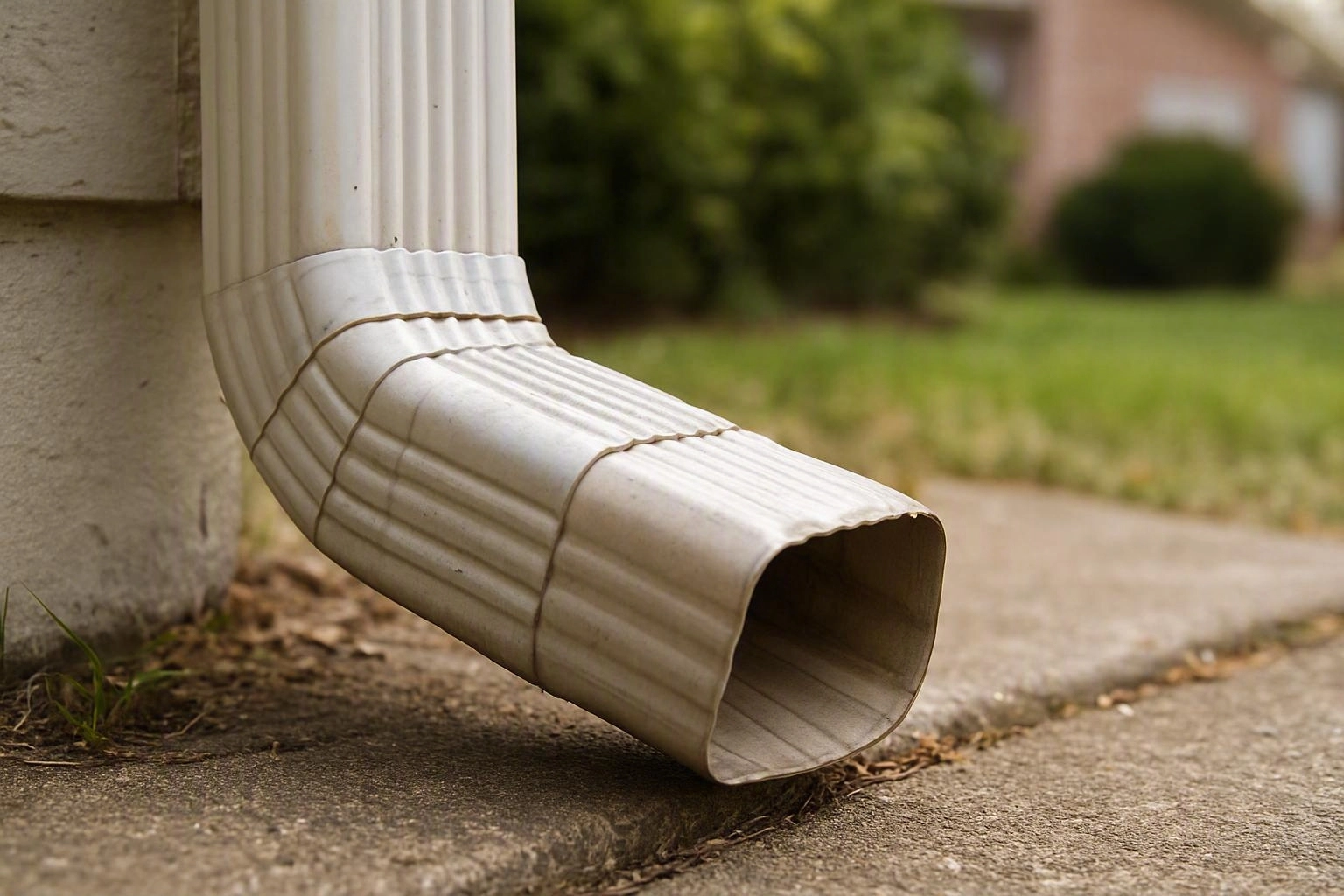
Keep track of when your gutters were installed. If they’re approaching or exceeding their planned lifespan, consider repair. A expert can assess the state of your system and advise on the most suitable time to replace it. Putting money into updated gutters can offer sustained safety and comfort for your home.
Frequently Asked Questions
How frequently should gutters be replaced?
Most gutters last between 15 to 20 years, depending on the material and area weather conditions. Consistent maintenance can extend their lifespan, but eventually, they will need to be replaced. If you notice signs of wear or wear, it’s best to consult a qualified for an assessment.
Can I install gutters myself?
While some property owners attempt DIY gutter installation, it’s frequently best to hire a professional. Correct installation requires the right tools, knowledge, and experience to ensure the gutters function correctly. A professional like AGM Gutters can provide a reliable, long-lasting solution tailored to your home’s needs.
What materials are best for gutters in Arkansas?
In Arkansas, materials like aluminum, steel, and vinyl are commonly used. Aluminum is popular for its durability and resistance to rust. Steel offers strength, while vinyl is cost-effective and easy to maintain. A professional installer can help you choose the best material based on your home’s specific requirements and local climate.
Last updated November 2026