

Why Gutter setup Is Crucial for Arkansas environments
Successful gutter installation in Arkansas has a essential function in protecting the state's varied ecosystems. As a region with a abundant natural landscape, Arkansas is dwelling to rivers that count on efficient liquid control. Gutters are greater than just a practical addition to a home—they are a critical part of eco-friendly stewardship. By directing water away from buildings and into designated runoff networks, gutters support minimize the green effect of liquid runoff.
Arkansas's ecosystems are delicate to alterations in liquid flow and ground solidity. Without proper gutter installation, precipitation can wear soil, injure vegetation being, and disrupt the native stability of local ecosystems. The environmental consequence of bad water control can be broad affecting both animals and human communities. In places like the Ouachita Ranges, where the terrain is steep and the risk of soil loss is elevated, gutters are critical for maintaining property protection and stopping harm to the surrounding area.
Water management is a vital aspect of eco-friendly safeguarding in Arkansas. The state faces a variety of precipitation styles, from seasonal lightning to lengthy times of rain. A well-installed gutter system ensures that water is properly directed away from homes and into ideal water structures, minimizing the chance of flooding and soil degradation. This additionally helps the environment but also adds to the long-term sustainability of Arkansas groups.
How Gutters avoid Soil Soil Loss in Arkansas
Earth erosion is a critical problem in Arkansas, especially in regions with strong rainfall and steep terrain. Without effective water control, precipitation can carry away essential topsoil, leading to property deterioration and loss of rich soil. Gutters play a crucial part in avoiding this by guiding liquid away from the base of structures and into specified runoff regions.
The Arkansas terrain alters widely, from the rolling hills of the Ozark Mountains to the flat plains of the Mississippi River Valley. In hilly areas, such as the Ouachita Mountains, gutters support control the flow of water and reduce the risk of landslides and soil displacement. By managing water runoff, gutters assistance land preservation and protect the natural landscape from the damaging effects of erosion.
Rainfall patterns in Arkansas are another factor that influences soil erosion. The state receives an average of 50 inches of rainfall annually, with some areas experiencing more intense storms. In these regions, gutters are essential for managing water flow and preventing damage to both natural and built environments. Proper gutter installation ensures that rainwater is directed away from the property and into proper drainage installations, minimizing the risk of soil erosion and shielding the surrounding ecosystem.
Gutters and Water Conservation in Arkansas Communities
Water conservation is a growing concern in Arkansas, where the demand for clean water is increasing due to population growth and agricultural needs. Gutters can play a role in this effort by assisting to capture and manage rainwater efficiently. In some cases, property owners can use gutters to collect rainwater for non-potable uses, such as irrigation or cleaning, lowering the in general demand on regional water supplies.
Arkansas cities, including Little Rock and Fayetteville, are increasingly focusing on sustainable practices to ensure long-term water availability. These communities are investing in stormwater management installations that work in conjunction with gutter installation to boost water conservation. By directing rainwater into retention basins or cisterns, gutters contribute to a more streamlined use of natural resources.
Sustainability is a key goal for many Arkansas communities, and correct gutter installation is an vital part of this effort. When gutters are installed correctly, they help reduce the amount of water that flows into storm drains and natural waterways, preventing pollution and preserving water quality. This is especially important in urban areas, where runoff can carry pollutants into local rivers and lakes.
Climate-Related Benefits of Gutter Installation in Arkansas
Arkansas's climate is characterized by a mix of humid subtropical and temperate conditions, with hot summers and mild winters. This climate presents unique challenges for water management, making proper gutter installation essential for safeguarding homes and the environment. The state's weather patterns, including frequent thunderstorms and high humidity, require gutters that can withstand heavy rainfall and moisture buildup.
Stormwater management is a vital aspect of gutter installation in Arkansas. Without effective drainage, rainwater can accumulate around homes, leading to flooding, basement wear, and structural concerns. Gutters assist stop these issues by channeling water away from the property and into designated drainage systems. This not only protects homes but also lowers the strain on local waterways and stops water from pooling in natural areas.
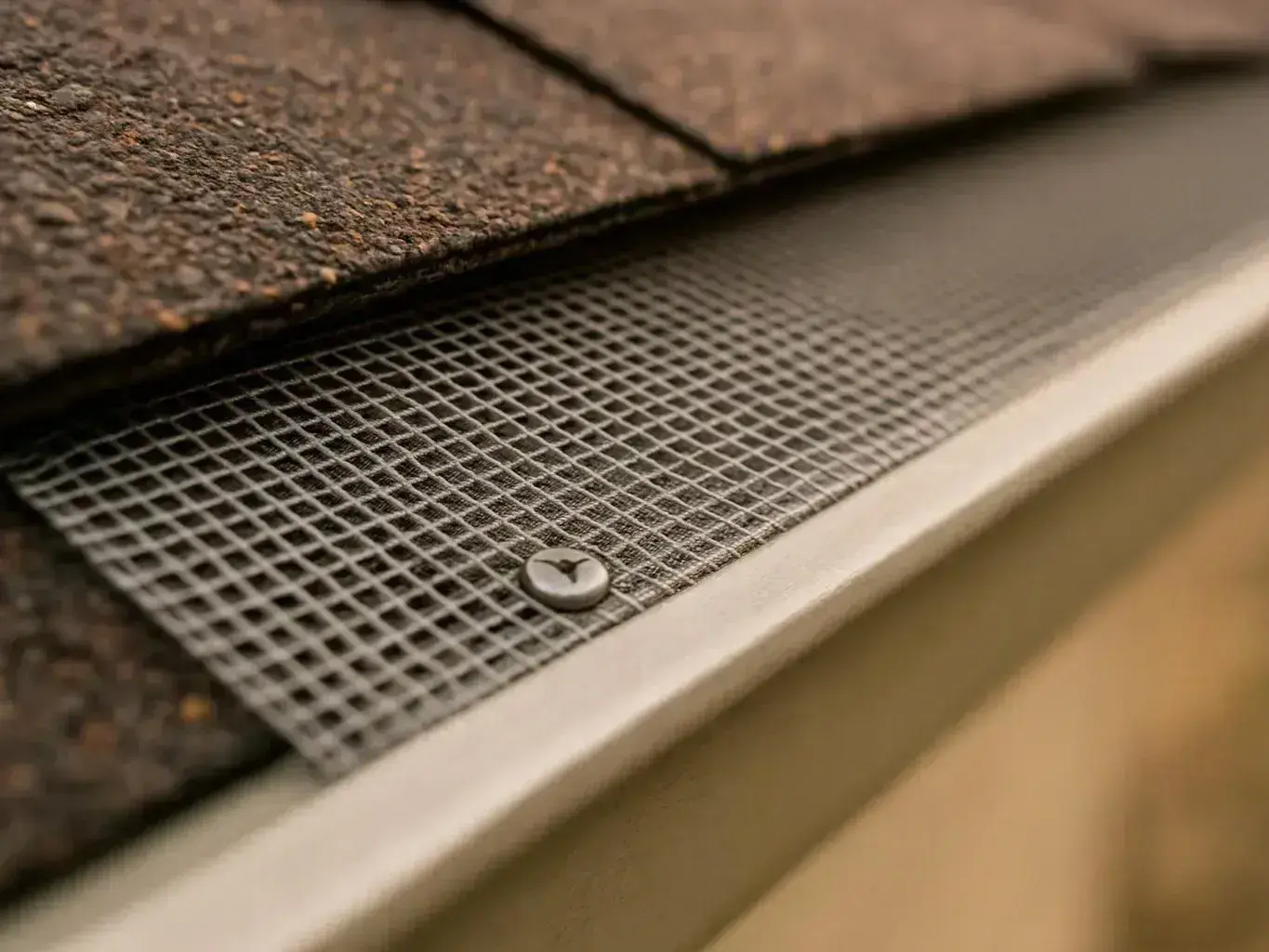
Flood prevention is another key advantage of appropriate gutter installation in Arkansas. The state has skilled major flooding in the past, particularly in low-lying areas and near major rivers. Gutters help manage water runoff by directing it away from homes and into storm drains or retention basins. This reduces the risk of flooding and protects both property and the environment from the damaging effects of excessive water.
How Arkansas's Humid Climate Affects Gutter Performance
Arkansas's humid climate presents specific challenges for gutter performance. High humidity levels can lead to moisture buildup, which can cause mold and mildew to develop on gutters and surrounding structures. Proper gutter installation and maintenance are essential for controlling moisture and preventing long-term damage.
Moisture control is a key consideration when installing gutters in Arkansas. Gutters must be designed to handle the high levels of humidity and frequent rainfall that the state experiences. Materials that resist corrosion and water damage are ideal for this environment. Regular maintenance, such as cleaning and inspecting gutters, helps ensure that they continue to function effectively in humid conditions.
Mold control is another important aspect of gutter maintenance in Arkansas. Excess dampness can create ideal conditions for mold development, which can affect both the foundation of a home and the wellness of its residents. Gutters that are properly installed and managed help reduce the risk of mold by stopping water from accumulating around the foundation and in other prone areas.
Gutter Installation in Arkansas areas Like Little Rock and Fayetteville
In areas like Little Rock and Fayetteville, gutter installation plays a important role in urban drainage. These locations are situated in zones with significant rainfall and frequent thunderstorms, making effective water control essential. Proper gutter systems help stop water from collecting around homes and buildings, minimizing the risk of overflow and damage.
Metropolitan drainage is a growing problem in Arkansas locations, where the growth of systems can alter natural water current sequences. Gutters help manage runoff by channeling it away from buildings and into rain channels or retention installations. This helps reduce the pressure on nearby streams and prevents water from collecting in roads and community locations.
In Little Rock, for instance, the city's rainwater control network functions in combination with residential gutter installations to guarantee that runoff is properly guided away from homes and into designated sewage areas. Likewise actions are in motion in Fayetteville, where the city's moist temperate environment requires gutters that can manage strong downpour and high humidity.
Choosing the Right Gutter Materials for Arkansas
Selecting the right gutter materials is important for guaranteeing long-term functionality and eco advantages in Arkansas. The state's environment, with its mix of significant rainfall and high moisture, demands gutters that are robust and capable to degradation. Picking the right substances can also help to sustainability and sustainable practices.
Sturdy options for gutter components include aluminum. Steel and vinyl. Each of these materials has its own merits and is ideal to various scenarios. Aluminum is not heavy and resistant to degradation, making it a favored choice for many homeowners in Arkansas. Metal gutters are powerful and durable, but they may need additional security against corrosion. Plastic gutters are a economical option that is easy to install and care for.
Eco-friendly options are becoming more crucial in Arkansas, where environmental safeguard is a expanding concern. Substances that are eco-friendly and have a reduced green effect are chosen by many residents. At instance, some gutter units are created from repurposed materials, lowering the total carbon impact of the setup.
Best Gutter Materials for Arkansas's Climate
Aluminum is one of the most favored options for gutter installation in Arkansas. It is easy to carry, corrosion-resistant, and easy to maintain. These attributes make it ideal for the state's moist climate and common rain. Aluminum gutters are also present in a selection of colors, helping residents to choose a design that goes with their home's outside.
Iron gutters are another choice that offers durability and strength. They are ideal for areas with significant precipitation and extreme winds, as they can resist the impact of big quantities of liquid. However, metal gutters may necessitate extra safeguard against degradation, especially in regions with intense humidity. https://keating-blackburn-2.blogbright.net/comparing-choices-for-10-reasons-why-proper-gutter-installation-matters-effective-pointers-and-takeaways-2026 Coatings or sealants can help lengthen their lifespan and increase their performance in Arkansas's climate.
Vinyl gutters are a budget-friendly and minimal-effort option for many homeowners. They are less prone to rust and corrosion, making them appropriate for Arkansas's moist conditions. Vinyl gutters are also straightforward to mount and come in a variety of hues, allowing for a tailored look. While they may not be as durable as metal options, they are a wise choice for many homes in the state. https://squareblogs.net/bruceshea97095/gutter-installation-in-arkansas-choosing-the-right-area-contractor-outlined
Sustainability and Longevity of Gutter Systems in Arkansas
Sustainable materials are becoming increasingly important in gutter installation, as more homeowners search for eco-conscious choices. In Arkansas, where ecological preservation is a growing priority, using sustainable materials can aid in lowering the overall impact of gutter systems on the local environment. Materials such as recycled aluminum or vinyl can supply long-lasting performance while reducing waste and resource consumption.
Durable gutters are essential for reducing the need for constant replacements, which can have eco-friendly and monetary benefits. In Arkansas, where the weather can be severe, choosing gutters that are built to last is crucial. Right mounting and frequent upkeep can aid in prolonging the life of gutter systems, guaranteeing they stay effective for decades.
Arkansas maintenance practices also play a role in the sustainability of gutter systems. Regular cleaning and review help stop obstructions and injury, guaranteeing that gutters keep functioning as intended. This helps safeguard residences but also reduces the eco-impact of rainwater flow and land degradation.
FAQ
What constitutes the most common types of gutters used in Arkansas?
In Arkansas, the most common types of gutters include aluminum, steel, and vinyl. These materials are chosen for their durability and ability to withstand the state's humid climate and regular rainfall. Each type has its own advantages, making them suitable for different homes and environments. For reliable Gutter Installation in Arkansas in Arkansas, AGM Gutters provides skilled advice and practical options.
How do climate conditions in Arkansas affect gutter installation?
Arkansas's climate, characterized by high humidity and frequent rainfall, calls for gutters that can tackle heavy water flow and moisture buildup. Proper installation is vital to make sure that gutters function reliably in these conditions, stopping concerns such as mold growth and water wear.
What materials are best suited for Arkansas weather?
For Arkansas's weather, materials like aluminum, steel, and vinyl are best suited. Aluminum is lightweight and resistant to rust, making it ideal for the state's humid conditions. Steel offers strength and durability, while vinyl is a cost-practical and easy-to-maintain option.
What is the typical cost of gutter installation in Arkansas?
The cost of gutter installation in Arkansas can vary depending on the materials used and the size of the home. On average, homeowners can expect to pay between $3 and $10 per linear foot for installation. This range includes both labor and materials, with higher-end options costing more.
How often should gutters be cleaned in Arkansas?
In Arkansas, gutters should be cleaned at least twice a year to ensure they function properly. More frequent cleaning may be necessary in areas with heavy tree coverage or frequent rainfall. Regular maintenance helps prevent clogs and damage, ensuring that gutters continue to protect homes and the environment.