

Understanding Arkansas Weather Patterns
Arkansas climate is defined by a mix of humid subtropical and temperate climates, with major variations across the state. The weather conditions in Arkansas are influenced by its site in the southeastern United States, where warm, moist air from the Gulf of Mexico meets cooler air from the north. This creates a dynamic climate with distinct seasonal changes. Rainfall is a serious factor in the Arkansas climate, with the state receiving an average of 50 inches of rain annually. The eastern part of the state usually sees more rainfall than the western regions, making rainwater management a essential concern for residents.
Temperature fluctuations are another key aspect of the Arkansas climate. The state experiences warm summers and cold winters, with temperatures often ranging from below freezing in winter to over 90 degrees Fahrenheit in summer. These temperature changes can affect the materials used in gutter installation, as some materials may contract or expand with the heat or cold. Humidity also plays a role in the Arkansas climate, with high levels of moisture in the air contributing to the formation of mold and mildew. This humidity can impact the longevity of gutter setups, making it essential to choose materials that can withstand these conditions.
In cities like Little Rock, the average number of rainy days per year is around 130, which emphasizes the importance of a well-designed gutter system. Fayetteville, located in the Ozark Mountains, faces unique challenges with heavy spring rains and snowmelt, which can lead to increased runoff and possible flooding. The Arkansas River basin is another area where flooding is a concern, influencing gutter design and installation practices in nearby communities. Recognizing these weather patterns is critical for property owners looking to safeguard their homes from the effects of the Arkansas climate. https://rogers-ar.agmguttershorsehoebend.com/
Common Gutter Types in Arkansas
When it comes to gutter installation in Arkansas, homeowners have several options to choose from, each with its own set of advantages and disadvantages. K-profile gutters are a popular choice due to their sleek, modern appearance and ability to blend with most rooflines. These gutters are designed to hold more water than other types, making them ideal for areas with heavy rainfall. Half-round gutters, on the other hand, have a more traditional look and are often used in historic homes or areas where aesthetics are a priority.
Aluminium gutters are another common option, known for their lightweight and corrosion-resistant properties. They are a cost-effective solution that can last for many years with proper maintenance. Metal gutters, while more durable, are heavier and may require additional support. They are often used in areas where strength and longevity are essential. Each of these gutter types has its own unique features, and the choice depends on the specific needs of the homeowner and the local climate conditions.
In Arkansas, where heavy rainfall is a common occurrence, the type of gutter installed can significantly impact a home's ability to manage rainwater effectively. K-profile and semicircular gutters are often preferred for their capacity to handle large volumes of water, while aluminum and metal gutters offer durability and strength. Understanding the differences between these gutter types can help homeowners make informed decisions that align with their specific needs and the challenges posed by the Arkansas climate.
Why Material Choice Matters in Arkansas
The choice of material for gutter installation in Arkansas is crucial due to the state's unique weather conditions. Galvanized steel is a popular option because it is resistant to rust and can withstand the high humidity levels common in the region. This material is also strong and durable, making it suitable for areas prone to heavy rainfall and storm damage. Copper gutters, while more expensive, offer a long lifespan and a distinctive appearance that can enhance the curb appeal of a home. They are also resistant to corrosion, which is beneficial in a humid climate like Arkansas.
Vinyl gutters are another option that is gaining popularity due to their affordability and ease of installation. They are lightweight and resistant to cracking, making them a good option for homeowners looking for a low-servicing option. However, vinyl gutters may not be as sturdy as other materials and can be more susceptible to damage from extreme weather conditions. Stainless steel gutters are a high-caliber option that offers excellent resistance to rust and corrosion, making them ideal for areas with high humidity and frequent rainfall.
Each material has its own set of advantages and drawbacks, and the option depends on the exact calls for of the homeowner and the local climate. In Arkansas, where heavy rainfall and humidity are common, selecting the right material is essential for ensuring the longevity and effectiveness of the gutter system. Homeowners should consider factors such as cost, durability, and maintenance requirements when making their decision.
Gutter installation Challenges in Arkansas
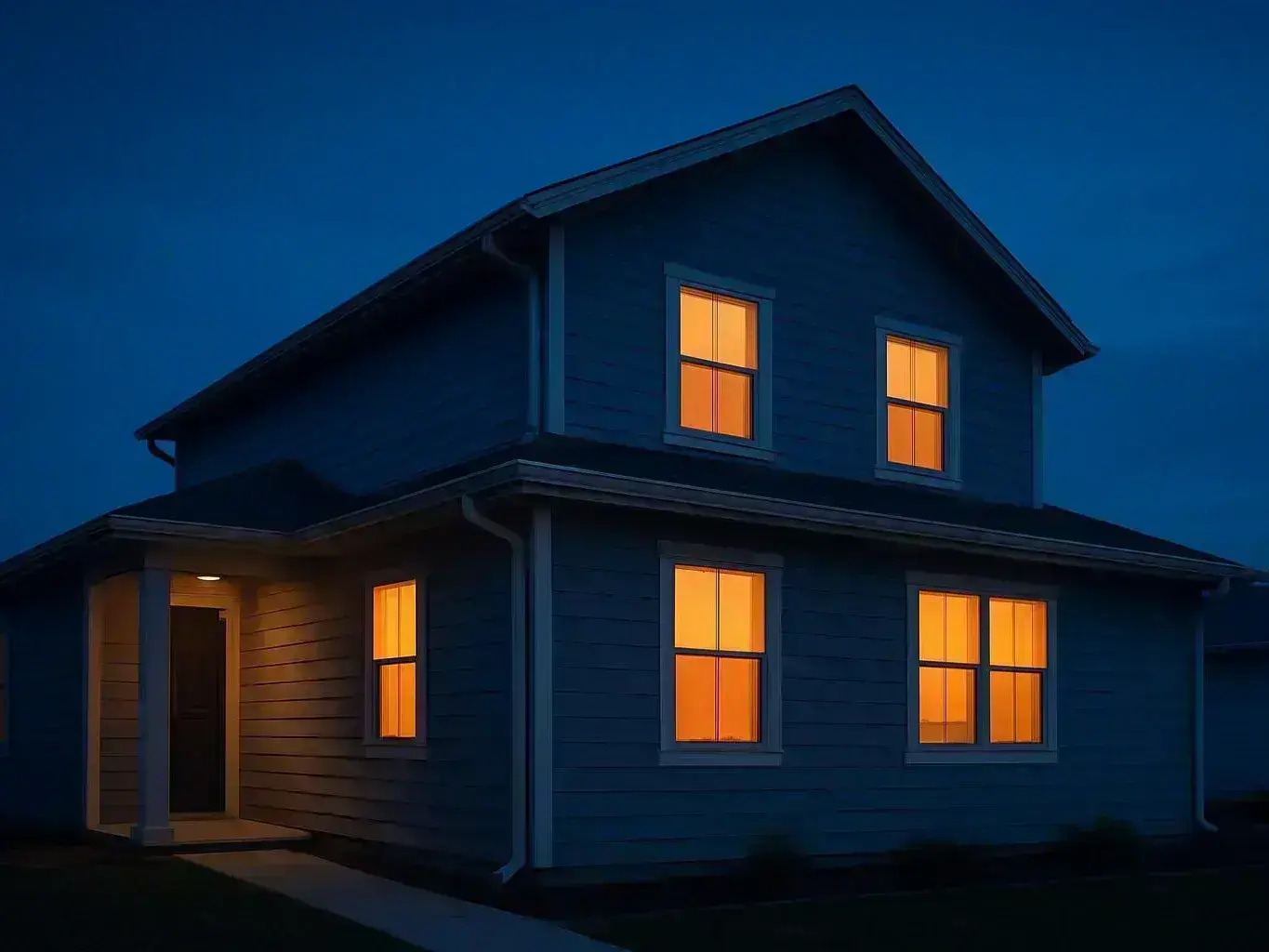
Gutter installation in Arkansas features a set of unique issues due to the state's conditions. Heavy precipitation is a important issue, as it can result in water collection around a home's base, raising the risk of water damage and foundation damage. In areas like Little Rock, where the typical count of wet periods is high, the importance for an effective gutter network is more than ever important. Water overflow chances are also a issue in the Arkansas waterway area, where intense rains can cause water to flow over and damage close properties.
Storm destruction is another problem that residents in Arkansas encounter. The state is prone to intense conditions situations, including lightning storms and tornadoes, which can result in destruction to gutters and other sections of a home. These weather events can lead to debris collection in gutters, which can block the network and lower its impact. In also, intense blasts can dislodge gutters from their supports, leading to further harm and the requirement for expensive maintenance.
Land wear is another problem that can influence gutter installations in Arkansas. Heavy precipitation can result in moisture runoff that degrades the soil around a home's foundation, potentially resulting in destruction to the building. This degradation can also affect the firmness of the gutter setup, making it essential to place gutters that can resist these circumstances. Residents should be knowledgeable of these challenges and make preventative actions to ensure their gutter installations are properly placed and serviced.
Overcoming these problems requires a detailed knowledge of the local weather and the specific demands of each house. By selecting the best materials and mounting approaches, residents can protect their homes from the effects of heavy downpours, weather harm, and soil erosion. This proactive approach besides supports stop damage but also guarantees the long-term impact of the gutter network.
Top Practices for Gutter Installation in Arkansas
When it comes to gutter installation in Arkansas, following recommended procedures is crucial to make sure the system functions efficiently and endures for decades. An of the most important elements is rainwater positioning. Correctly located downspouts lead water far from the property's structure, reducing the possibility of flood damage and soil erosion. In Arkansas, where heavy rainfall is usual, it's important to make sure that rain spouts are located at no less than five feet away from the structure and that they are connected to a runoff system that can cope with the quantity of water.
Slope requirements are another important consideration in gutter installation. Gutters need to be set up with a gentle incline to enable liquid to move easily towards the rain spouts. A common inclination is one-quarter inch for 10 feet of gutter dimension. This ensures that liquid doesn't pool in the gutters, which can result in spillage and damage. In areas with heavy rain, such as Little Rock, keeping the proper inclination is essential to avoid liquid from backing up and resulting in issues with the property's structure.
Continuous gutters are a popular selection in Arkansas due to their sturdiness and effectiveness. Unlike traditional gutters that have several joints, seamless gutters are fabricated from a singular section of material, minimizing the chance of drips and clogs. This suits them ideal for regions with intense rain, as they can handle large volumes of precipitation without compromising their structure. Residents in Fayetteville, where spring precipitation and frost melt can be significant, commonly select seamless gutters to make sure their residences are protected from the elements.
Gutter guards are a key element of a well-designed gutter setup. These protection assist avoid foliage, waste, and other materials from obstructing the gutters, which can result in water overflows and harm. In Arkansas, where moisture and rain are high, gutter protection can considerably minimize the requirement for ongoing upkeep and maintenance. By incorporating these recommended procedures into the installation method, property owners can guarantee their gutter systems are successful, durable, and perfectly suited to the regional weather.
Price and Maintenance in Arkansas
The price of gutter installation in Arkansas can fluctuate depending on several aspects, including the type of resources used, the scale of the home, and the complexity of the setup. On typical, homeowners can expect to pay between $3 and $7 per linear foot for qualified installation. This range can be impacted by the exact needs of the home and the area economic circumstances. For instance, in cities like Little Rock, where the requirement for gutter units is elevated due to common rainfall, the expense may be on the more expensive level.
Care frequency is another crucial consideration for homeowners in Arkansas. Regular maintenance is vital to ensure the efficiency of the gutter unit, especially in regions with high precipitation and humidity. Homeowners should examine their gutters at least two instances a year, best in the time and season, to check for trash, seepage, and harm. In cities like Fayetteville, where heavy time rain and snow runoff can result to more water flow, greater regular checks may be needed to prevent obstructions and overflow.
Local builders play a vital part in the setup and upkeep of gutter units in Arkansas. Choosing a reputable regional contractor guarantees that the installation is done properly and that any issues are handled quickly. Contractors who are familiar with the local weather and climate cycles can provide valuable knowledge and suggestions personalized to the specific demands of the home. This is especially crucial in areas like the Arkansas water area, where floods is a problem and adequate gutter layout is necessary.
Ceiling damage prevention is a important merit of a properly maintained gutter device. By properly controlling precipitation, gutters support protect the top from fluid damage, which can lead to high fixes. In Arkansas, where strong precipitation is typical, a adequately set up and looked after gutter system is necessary for preserving the integrity of the residence's framework. Property owners should focus on regular upkeep and work with skilled local contractors to confirm their gutter systems are functioning effectively.
What are the most common types of gutters used in Arkansas?
In Arkansas, the most common types of gutters include K-style gutters, half-round gutters, aluminium gutters, and steel gutters. K-style gutters are popular for their up-to-date appearance and ability to hold more water, making them suitable for areas with heavy rainfall. Oval gutters have a timeless look and are often used in historic homes. Aluminum gutters are compact and rust-proof, while steel gutters offer strength and strength. For dependable Gutter Installation in Arkansas in Arkansas, AGM Gutters provides seasoned guidance and realistic solutions.
How do climate conditions in Arkansas affect gutter installation?
Climate conditions in Arkansas, such as torrential rain, temperature fluctuations, and high humidity, have a major effect on gutter installation. Homeowners must pick materials and designs that can endure these conditions. For example, in areas like Little Rock, where the mean count of rainy days is high, the demand for an effective gutter system is essential. The Arkansas River basin also encounters flooding, influencing gutter construction and setup methods in nearby neighborhoods.
What materials are best suited for Arkansas weather?
Materials such as galvanized steel, brass gutters, plastic gutters, and stainless steel are appropriate for Arkansas weather. Zinc-coated steel is less prone to rust and can handle high humidity. Copper gutters offer a lasting durability and a unique appearance. Plastic gutters are cost-effective and simple to set up, while stainless metal provides excellent resistance to corrosion and rust.
What is the typical cost of gutter installation in Arkansas?
The typical cost of gutter installation in Arkansas spans between 3 and 7 for each foot. This can change based on the type of materials used, the size of the home, and the complexity of the installation. In metropolitan areas like Little Rock, where the requirement for gutter systems is considerable due to regular rain, the expense may be higher. Regional builders can supply more detailed estimates based on the particular demands of the residence.
What are the steps involved in skilled gutter installation?
Expert gutter setup involves several procedures, including assessing the home's demands, choosing the appropriate components, calculating and cutting the gutters, placing them with the correct angle, and connecting them to downspouts. In Arkansas, where extensive rain is common, it's important to guarantee that the installation is done properly to prevent moisture issues. Local contractors with background in the region can provide valuable insights and guarantee the system is functional and robust.